
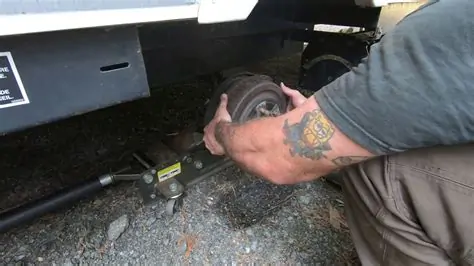
Discover essential insights on trailer brake systems, including maintenance tips, common issues, signs of wear, and the benefits of regular testing for safety.When it comes to towing, the safety of your load heavily relies on the efficiency of your trailer brakes. Whether you’re hauling a camper, boat, or equipment, ensuring that your trailer brakes are in top condition is not just a recommendation, but a necessity. Ignoring this crucial aspect can lead to dangerous situations on the road, making it essential for every trailer owner to understand the importance of regular brake checks. From recognizing common issues that can arise within trailer brake systems to implementing proper maintenance practices, staying informed can help you avoid costly repairs and accidents. In this blog post, we’ll delve into the signs of wear and tear on trailer brakes, explore the benefits of regular testing, and equip you with the knowledge needed to keep your trailer safe and reliable.
Importance of Checking Trailer Brakes
Trailer brakes are a critical component of any towing setup. Ensuring that they function correctly is not only important for the safety of the vehicle and cargo but also for the life of the trailer and towing vehicle itself. Regularly checking your trailer brake system can prevent accidents, enhance towing performance, and save you money in the long run.
Here are some key reasons why checking your trailer brakes is essential:
- Safety First: The primary purpose of trailer brakes is to ensure safe stopping. If they are not functioning correctly, it can lead to severe accidents, especially during emergency stops.
- Adherence to Regulations: Many regions have laws requiring trailers to have a properly working brake system. Regular checks ensure compliance with these laws and help avoid fines.
- Preventative Maintenance: Regular checks can identify issues early before they escalate into major problems. This proactive approach can save money on repairs and replacements.
- Improved Towing Performance: Well-functioning brakes improve overall towing performance, ensuring that your trailer can handle hills and sharp turns without putting extra strain on the towing vehicle.
- Longer Lifespan of Components: Regularly checking and maintaining your trailer brakes can extend their lifespan by preventing wear and tear associated with neglect.
In summary, the importance of checking trailer brakes extends beyond mere functionality — it encompasses safety, legal compliance, and the economic benefits of effective maintenance. Making this a regular part of your maintenance routine can lead to safer and more enjoyable towing experiences.
Common Issues with Trailer Brake Systems
Maintaining the functionality of your trailer’s braking system is crucial for safe towing. However, several common issues can arise with trailer brake systems that every trailer owner should be aware of. Understanding these issues can help you identify and address problems before they lead to catastrophic failures.
1. Brake Pad Wear
One of the most common issues with trailer brakes is worn brake pads. Over time, brake pads can wear down due to friction and heat, leading to decreased braking efficiency. It’s essential to regularly inspect your brake pads and replace them as needed to ensure safe stopping power.
2. Brake Fluid Contamination
Another issue is contaminated brake fluid. Moisture, dirt, and debris can infiltrate the brake fluid, diminishing its effectiveness. Regularly checking and replacing your brake fluid can prevent issues related to braking performance.
3. Faulty Brake Wiring
Electrical issues are often overlooked. Faulty brake wiring can lead to inconsistent brake performance or complete brake failure. Ensure that all wiring connects properly and check for any signs of wear or damage.
4. Leaking Brake Cylinders
Brake cylinders can develop leaks, which can significantly reduce hydraulic pressure and lead to braking failure. If you notice puddles of brake fluid under your trailer, it could indicate a leaky brake cylinder.
5. Improper Brake Adjustment
Finally, improper brake adjustment can lead to uneven braking force across the trailer. This can affect stability while towing, making it vital to regularly check and adjust your brake settings as needed.
6. Rust and Corrosion
Due to exposure to the elements, rust and corrosion can significantly impact trailer brake components. Regular maintenance can help prevent this issue, ensuring that brake parts remain in optimal condition.
7. Brake Controller Malfunction
The brake controller, which manages the braking force from the tow vehicle to the trailer, can also malfunction. Regular testing can help ensure that it’s operating properly and that your trailer brakes engage appropriately.
By staying informed about these common issues with trailer brake systems, you can keep your trailer in safe working condition and reduce the risk of accidents on the road.
Proper Maintenance for Trailer Brakes
Maintaining your trailer’s brake system is critical for ensuring not only the safety of your vehicle but also the safety of others on the road. Proper maintenance can extend the life of your trailer brakes and can prevent costly repairs down the line. Below are some essential maintenance tips for keeping your trailer brakes in optimal condition:
- Regular Inspections: Schedule regular inspections of your trailer brakes. Check for signs of wear, corrosion, or fluid leaks.
- Brake Fluid Checks: Ensure the brake fluid is at the appropriate level. Low fluid levels can lead to brake failure.
- Cleaning Components: Keep the brake components clean. Dust and grime can accumulate and lead to decreased performance.
- Adjustment of Brakes: Regularly check the adjustment of hydraulic or electric brakes if applicable. Properly adjusted brakes ensure optimal performance.
- Lubrication: Apply lubricant to moving parts to reduce friction and wear. Be careful to use products that are safe for brake components.
Additionally, consider the following when conducting maintenance:
| Component | Maintenance Frequency | Notes |
|---|---|---|
| Brake Pads | Every 6 months | Replace if worn down to 1/4 inch thickness |
| Brake Lines | Annually | Look for cracks or leaks |
| Electronic Brake Controller | Every 12 months | Test functionality and inspect wiring |
Following these maintenance tips will not only enhance the performance of your trailer brakes but also provide peace of mind while traveling. Remember, a well-maintained braking system is crucial for the safety of your trailer and everything it carries.
Signs of Wear and Tear on Trailer Brakes
Maintaining the safety and efficiency of your trailer is paramount, and a critical aspect of this is to monitor the condition of your brake system. Understanding the signs of wear and tear on trailer brakes can help prevent accidents and costly repairs. Here are some key indicators that your trailer brakes may need attention:
- Squeaking or Grinding Noises: If you hear unusual sounds when applying the brakes, it could indicate that the brake pads are worn down and need replacing.
- Reduced Stopping Power: If your trailer takes longer to stop or seems to require more effort to brake, this is a clear sign that your brake components might be failing.
- Vibration or Shuddering: A vibrating or shuddering sensation when braking can signal warped brake rotors, necessitating inspection or replacement.
- Brake Warning Light: If your vehicle’s dashboard indicator illuminates, it’s essential to check the brake system immediately.
- Cracked or Worn Brake Pads: Inspect the brake pads for visible cracks or thinning. A standard thickness for brake pads is around 1/4 inch; anything less is concerning.
Regular inspections can aid in identifying these issues early on. Use the following table to help track the condition of your trailer brakes:
| Inspection Item | Possible Signs of Wear | Recommended Action |
|---|---|---|
| Brake Pads | Thinning or cracking | Replace |
| Brake Rotors | Warping or scoring | Machine or replace |
| Brake Lines | Leaking fluid | Replace |
| Brake Drums | Cracks or excessive wear | Replace or machine |
| Electronic Brake Controller | Error codes or warnings | Diagnose electrical issues |
By being mindful of these signs of wear and tear and taking action accordingly, you can extend the lifespan
Benefits of Regularly Testing Trailer Brakes
Regularly testing trailer brakes is crucial for ensuring both safety and performance. Here are the key benefits:
- Enhanced Safety: Regular testing helps to identify any brake issues before they become dangerous. This is particularly important when transporting heavy loads.
- Compliance with Regulations: Many regions have legal requirements for trailer brake performance. Regular testing ensures that your trailer is compliant with these regulations.
- Reduced Repair Costs: Detecting problems early can prevent more extensive damage that might require expensive repairs or replacements.
- Improved Performance: Regularly tested and maintained brakes work more efficiently, providing better stopping power and enhancing overall driving experience.
Testing can include several components, such as:
| Test Component | Description |
|---|---|
| Brake Pad Thickness | Ensures that the pads have sufficient material left for effective braking. |
| Brake Fluid Levels | Checks for the proper level and quality of the brake fluid, which is essential for hydraulic brakes. |
| Electrical Connections | Examines the wiring and connectors for any damage that could impair brake function. |
| Brake Actuator Functionality | Tests the brake actuator to ensure it engages and disengages properly with the towing vehicle. |
In summary, the benefits of regularly testing trailer brakes cannot be overstated. Not only does it enhance safety and performance, but it also contributes to legal compliance and cost savings. Make it a habit to check your trailer brakes regularly and stay safe on the road!
Frequently Asked Questions
Why is it important to check trailer brakes regularly?
Regularly checking trailer brakes is crucial for safety, as it ensures that the braking system is functioning correctly and can prevent accidents.
What are the signs that trailer brakes need maintenance?
Signs that trailer brakes may need maintenance include uneven braking, strange noises while braking, a decrease in stopping power, or the trailer pulling to one side.
How can I visually inspect my trailer brakes?
To visually inspect trailer brakes, look for any signs of wear or damage to the brake pads, check for rust or corrosion, and ensure that the brake lines are not leaking.
What tools do I need to check my trailer brakes?
Basic tools needed for checking trailer brakes include a jack, jack stands, a wrench set, a brake fluid tester, and a flashlight for better visibility.
How often should trailer brakes be adjusted or serviced?
Trailer brakes should be adjusted or serviced every 3,000 to 5,000 miles or at least once a year, depending on usage and conditions.
What should I do if I find a problem with my trailer brakes?
If you find a problem with your trailer brakes, it is important to address it immediately. Either perform the necessary repairs yourself if you are qualified, or take the trailer to a professional mechanic.
Can I perform trailer brake checks myself?
Yes, many trailer brake checks can be performed DIY, provided you have the right tools and knowledge. However, for complex issues or repairs, it’s best to consult a professional.