
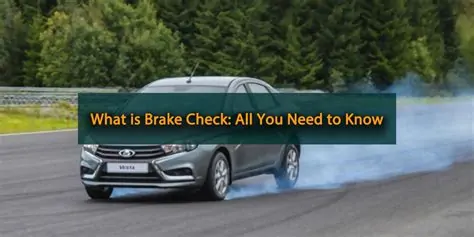
Discover what brake checks are, their purpose, signs of needing one, and why regular checks are crucial for safety. Neglecting them can lead to serious consequences.When it comes to vehicle safety, few maintenance tasks are as crucial as understanding brake checks. A brake check ensures that your vehicle’s braking system is functioning optimally, providing peace of mind on the road. Whether you’re a seasoned driver or a new motorist, knowing what a brake check entails, why it’s essential, and how to recognize when it’s time for one can make a significant difference in your driving experience. In this blog post, we will delve into the definition and purpose of a brake check, the key signs that indicate your vehicle may need one, the importance of making it a regular part of your maintenance routine, and the potential consequences of neglecting this vital safety measure. Join us as we uncover the importance of keeping your brakes in top condition for safer journeys ahead.
Definition of Brake Check
A brake check refers to the process of inspecting and evaluating a vehicle’s braking system to ensure it is functioning correctly and safely. This crucial maintenance task allows drivers to verify that all components of the braking system—such as the brake pads, rotors, and fluid—are in good condition and can perform effectively when needed.
A brake check typically involves several steps, including:
- Visual Inspection: Checking for any signs of wear or damage to the brake components.
- Fluid Level Check: Ensuring that the brake fluid is at the appropriate level and free from contaminants.
- Performance Testing: Conducting tests to assess the responsiveness and effectiveness of the brakes when applied.
Regular brake checks are important for maint
Purpose of a Brake Check
A brake check serves a crucial role in vehicle safety and maintenance. It involves the examination of the braking system to ensure that all components are functioning correctly. Let’s delve into the key purposes of conducting regular brake checks.
- Ensures Safety: The primary purpose of a brake check is to ensure the safety of the driver, passengers, and others on the road. Effective brakes are essential for timely vehicle stopping, especially in emergency situations.
- Identifies Wear and Tear: Over time, brake components experience wear and tear. A brake check helps identify any issues—such as worn brake pads or low brake fluid—before they become serious problems.
- Enhances Performance: Regularly checking and maintaining the brakes can enhance overall vehicle performance. This includes better handling and improved stopping distances, making for a smoother ride.
- Prevents Costly Repairs: By performing timely brake checks, vehicle owners can prevent more significant and costly repairs in the future. Early detection of brake issues often leads to simpler and cheaper fixes.
- Legal Compliance: Many regions have regulations regarding vehicle safety. Regular brake checks ensure compliance with these laws, helping avoid potential legal issues.
In summary, the purpose of a brake check is multifaceted, contributing to the overall safety and functionality of the vehicle. Regular checks are key to keeping you and your passengers safe on the road.
Signs for Needing a Brake Check
Regular maintenance of your vehicle’s braking system is critical for ensuring your safety and the safety of others on the road. Recognizing the signs for needing a brake check can help you prevent accidents and costly repairs. Below are some of the most common indicators that it’s time to have your brakes examined.
- Unusual Noises: If you hear a high-pitched squealing or grinding noise when you apply the brakes, this could indicate that your brake pads are worn out and need replacement.
- Soft or Spongy Brake Pedal: If your brake pedal feels soft or sinks to the floor when pressed, it might be a sign of low brake fluid or a leak in the brake system.
- Vibration or Shaking: Feeling vibrations in the steering wheel or brake pedal can suggest warped brake rotors, which require immediate attention.
- Pulling to One Side: If your vehicle pulls to one side when braking, it could indicate that one of your brake components is worn unevenly and needs inspection.
- Brake Warning Light: A warning light on your dashboard specifically indicating brake issues is a direct signal that you need to have your brakes checked.
- Burning Smell: A strong odor similar to burnt rubber or fabric can signify overheating brakes or burning brake pads, which may require urgent attention.
If you notice any of these signs for needing a brake check, it’s important to take them seriously. Your vehicle’s braking system is essential for your safety; timely intervention can make all the difference.
Importance of Regular Brake Checks
Regular brake checks are crucial for maintaining the safety and performance of your vehicle. They not only ensure that your braking system is functioning correctly but also enhance your overall driving experience. Here are some key reasons highlighting the importance of conducting regular brake checks:
- Safety First: The primary purpose of a brake check is to assess the condition of your braking system. A well-functioning brake system is essential for preventing accidents, allowing you to stop quickly when needed.
- Performance Optimization: Over time, brake components can wear out or become less effective. Regular checks help ensure that your brakes perform at their best, contributing to better vehicle handling.
- Cost Savings: Regular maintenance can help catch issues early before they escalate into more significant and costly repairs. Investing in brake checks can save you money in the long run.
- Improved Longevity: Keeping track of your brake system can extend its lifespan. By addressing wear and tear promptly, you can avoid premature brake replacements.
- Enhanced Driving Comfort: Properly functioning brakes contribute to a smoother and more comfortable ride. They reduce the chances of shaking or pulling, which can be distracting while driving.
In conclusion, regular brake checks are a vital component of vehicle maintenance that should never be overlooked. They play an essential role in ensuring the safety and reliability of your vehicle, making it imperative
Consequences of Neglecting Brake Checks
Neglecting regular brake checks can lead to a plethora of serious consequences that can not only compromise your vehicle’s performance but also endanger your safety and the safety of others on the road. Below are some critical repercussions of avoiding necessary brake maintenance:
- Decreased Stopping Power: Over time, brake pads wear out, and if not checked, this can significantly decrease your vehicle’s stopping power. This can lead to longer stopping distances, which may not be manageable in emergency situations.
- Increased Repair Costs: Ignoring brake issues can escalate minor problems into major ones. For instance, failing to replace worn-out brake pads can lead to damage in the brake rotors, which are much more expensive to replace.
- Brake Failure: The ultimate risk of neglecting brake checks is the possibility of complete brake failure. This can happen at any time, leaving you with little to no control over your vehicle, resulting in potential accidents.
- Damage to Other Components: If brakes are not regularly checked, it may lead to damage to other components such as the brake calipers or brake lines. This damage can create an unsafe driving condition and may require costly repairs down the line.
- Legal Consequences: In some jurisdictions, driving a vehicle with inadequate brakes can have legal ramifications. You may be held liable for accidents caused due to neglected brake maintenance.
- Increased Risk of Accidents: The most alarming consequence is the increased risk of accidents. Faulty brakes can prevent the driver from reacting appropriately to sudden stops, increasing the likelihood of collisions.
In summary, the consequences of neglecting brake checks are severe and can significantly impact your safety, financial situation, and legal standing. Regular maintenance and timely checks are essential to ensure that your brakes fun
Frequently Asked Questions
What is a brake check?
A brake check is a sudden or abrupt activation of the brake pedal, often performed to test a vehicle’s braking performance or to warn another driver.
Why do drivers perform brake checks?
Drivers may perform brake checks to ensure their vehicle’s brakes are functioning properly or to indicate to a tailgating driver that they are following too closely.
Is a brake check safe?
While brake checks can be necessary in some situations, they can also be dangerous. If done abruptly or without warning, it can lead to rear-end collisions.
When is it appropriate to perform a brake check?
A brake check may be appropriate when a driver feels they are being tailgated and wants to safely communicate the need for more distance.
What should you do if someone brake checks you?
If someone brake checks you, remain calm, avoid aggressive driving, and maintain a safe distance. If necessary, report the incident to local authorities.
How can you avoid needing to perform a brake check?
Maintain a safe following distance, stay aware of road conditions, and drive defensively to minimize the need for sudden braking.
Are brake checks illegal?
Brake checks can be considered illegal or a form of reckless driving in some jurisdictions, especially if they cause an accident or endanger other drivers.