
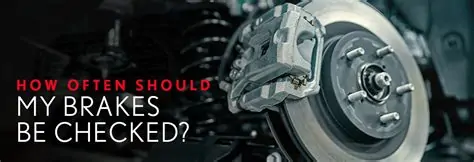
Learn about the importance of regular brake checks, signs of wear, inspection frequency, DIY maintenance intervals, and the benefits of timely brake checks.When it comes to vehicle safety, few components are more critical than the brakes. Ignoring regular brake checks can lead to not only decreased performance but also serious safety hazards on the road. In this blog post, we will explore the importance of routine brake inspections, and highlight the telltale signs of brake wear and tear that every driver should be aware of. We’ll also discuss how often professional inspections should take place, along with practical DIY maintenance tips to keep your brakes in top condition. Lastly, we’ll delve into the numerous benefits of timely brake checks, empowering you with the knowledge to ensure your vehicle remains safe and reliable. Buckle up as we navigate the essential aspects of brake maintenance!
Importance of Regular Brake Checks
Regular brake checks are vital for ensuring the safety and functionality of your vehicle. Most drivers might overlook this critical maintenance task, but understanding its importance can prevent accidents and enhance your car’s performance.
Brakes are one of the most crucial components of your vehicle, responsible for slowing down or stopping the car effectively. A malfunctioning brake system can lead to serious consequences, including a loss of control and accidents. Thus, prioritizing regular checks can save lives.
Key Reasons for Regular Brake Checks:
- Enhanced Safety: Regular checks ensure that your brakes are responsive and reliable, minimizing the risk of accidents.
- Cost Efficiency: Addressing minor issues early can help avoid costly repairs down the road.
- Prolonging Brake Life: Keeping your brake system in check can extend its lifespan, saving you money in the long run.
- Legal Compliance: In many regions, maintaining your vehicle’s brakes is mandatory and can help you avoid legal issues.
When to Schedule Brake Checks:
It is recommended to perform a brake inspection at least once every 6 months, or every 6,000 miles driven. However, depending on your driving habits and conditions, you may need to check them more frequently. For instance, if you often drive in heavy traffic, mountainous areas, or tow heavy loads, additional checks might be necessary.
An ounce of prevention is worth a pound of cure. – Benjamin Franklin
In conclusion, the importance of regular brake checks cannot be overstated. Maintaining your brake system will not only ensure your safety but also enhance the performance and longevity of your vehicle.
Signs of Brake Wear and Tear
Brakes are a critical component of vehicle safety, and recognizing the signs of brake wear and tear can help you avoid accidents and costly repairs. Here are some key indicators that your brakes may need attention:
- Squeaking or Squealing Noises: If you hear a high-pitched noise when applying the brakes, this is often a sign that the brake pads are worn down and need to be replaced.
- Grinding Sounds: A grinding noise can indicate that the brake pads have worn excessively and the brake rotor is being damaged. This requires immediate attention.
- Vibrations or Pulsations: If you feel a vibration in the brake pedal when applying the brakes, this may indicate uneven wear on the brake pads or warped rotors.
- Dashboard Warning Lights: Many modern vehicles are equipped with a brake warning light on the dashboard that illuminates when there’s a problem. Pay attention to any warning lights and address them promptly.
- Reduced Responsiveness: If your brakes feel less responsive than usual or require more pressure to stop the vehicle, it could indicate brake fluid issues or worn-out pads.
- Pulling to One Side: If your vehicle pulls to one side when you brake, this could be a sign of uneven brake pad wear or a problem with your brake system.
- Brake Fluid Leaks: Inspect the ground beneath your vehicle for any signs of fluid leaks. Leaking brake fluid can compromise braking efficiency and safety.
It’s essential to address these signs promptly to maintain your vehicle’s safety and functionality. Regular checks and maintenance can prolong the life of your brakes and keep you safe on the road.
Frequency of Professional Brake Inspections
When it comes to ensuring the safety and reliability of your vehicle, professional brake inspections play a crucial role. Most automotive experts recommend that drivers should have their brakes inspected at least once a year or every 12,000 to 15,000 miles, depending on driving conditions and habits.
However, there are specific circumstances that may necessitate more frequent inspections. These include:
- Heavy City Driving: If you find yourself in stop-and-go traffic regularly, the brakes can wear out quicker due to increased usage.
- Towing: If you often tow heavy loads, consider having your brakes inspected more frequently, as this adds stress to the braking system.
- Driving in Hilly Areas: Frequent use of brakes in steep terrains can lead to faster wear.
- Seasonal Changes: It’s wise to check brakes before winter and summer to ensure they are well-prepared for changing conditions.
In addition to the routine yearly check-ups, be on the lookout for any signs that your brakes may need immediate attention. If you notice unusual noises, such as squealing or grinding, or if the pedal feels spongy or requires more pressure to engage, it’s time to consult a professional.
Overall, regular professional brake inspections help identify potential problems before they become serious, contributing to both your safety and the longevity of your vehicle.
DIY Brake Maintenance Intervals
Maintaining your vehicle’s brakes is crucial for both safety and performance. Regular brake maintenance helps to identify issues before they escalate, ensuring a smoother and safer driving experience. If you’re a DIY enthusiast, understanding the appropriate brake maintenance intervals is essential. Below are some guidelines on how often you should check your brakes:
1. Visual Inspection
It’s advisable to perform a visual inspection of your brakes every month or every time you fill up with gas. Look for:
- Fluid leaks under the vehicle
- Worn brake pads
- Cracked or damaged rotors
2. Brake Pad Thickness
Your brake pads should be checked for thickness every 6 months. A general rule of thumb is:
| Pad Thickness | Action Needed |
|---|---|
| 8 mm or more | All good, no action needed |
| 4-7 mm | Monitor closely, consider replacement soon |
| 3 mm or less | Replace immediately |
3. Brake Fluid Check
Check your brake fluid level and condition at least every 3 months. If the fluid appears murky or has debris, it may need to be flushed.
4. Test Drive
Conduct a test drive every month to analyze how your brakes respond. Look out for:
- Squeaking or grinding noises
- Uneven braking or pulling to one side
- Vibration when braking
5. Seasonal Checks
Before winter and summer, get your brakes thoroughly checked to adapt to changing driving conditions. Focus on:
- Inspecting all brake components
- Checking the effectiveness of anti-lock systems (ABS)
- Replacing old brake fluid
By following these DIY brake maintenance intervals, you can prolong the lifespan of your brakes and promote safe driving.
Benefits of Timely Brake Checks
Maintaining the integrity and functionality of your vehicle’s braking system is critical for safety and performance. Regular and timely brake checks can lead to numerous benefits that can save you money, enhance your driving experience, and improve road safety. Below are some key advantages of performing scheduled brake inspections.
- Enhanced Safety: One of the primary benefits of timely brake checks is improved safety. By ensuring that your brakes are functioning correctly, you reduce the risk of accidents caused by brake failure.
- Cost Efficiency: Identifying brake issues early can help you avoid expensive repairs. Regular checks can reveal wear and tear before they turn into costly problems.
- Optimal Performance: Regular brake checks contribute to the overall performance of your vehicle. Properly maintained brakes can enhance your vehicle’s stopping power, providing a smoother driving experience.
- Extended Lifespan of Braking Components: Scheduled brake inspections can help extend the lifespan of various braking components such as pads, rotors, and fluid. By catching issues early, you can prevent premature wear.
- Peace of Mind: Knowing that your brakes are in good condition allows you to drive with confidence. This peace of mind is invaluable, especially on long trips or during adverse weather conditions.
In summary, the benefits of timely brake checks are multifaceted, combining safety, cost savings, performance, and peace of mind. Make it a priority to include regular brake checks in your vehicle maintenance routine.
Frequently Asked Questions
How often should I check my brakes?
It’s recommended to check your brakes at least once a year or every 12,000 to 15,000 miles, whichever comes first.
What are the signs that my brakes need to be checked?
Common signs include squeaking or squealing noises, vibrations when braking, the brake warning light coming on, and a spongy or hard brake pedal.
Can I check my brake pads myself?
Yes, you can check your brake pads by inspecting the thickness through the wheel spokes. If they look thin or worn down, it’s time for a professional inspection.
What happens if I ignore brake issues?
Ignoring brake issues can lead to decreased stopping power, longer stopping distances, and can ultimately cause brake failure, leading to dangerous driving conditions.
Should I have my brakes checked after a long road trip?
Yes, it’s a good idea to have your brakes checked after a long road trip since heavy braking can wear them down faster.
Do different driving conditions affect how often I should check my brakes?
Absolutely. If you frequently drive in heavy traffic, on hilly terrain, or in adverse weather conditions, you may need to check your brakes more often.
How much does it typically cost to have brakes inspected?
The cost for a brake inspection can vary, but it usually ranges from $50 to $100. Some shops may offer free inspections with repairs.