
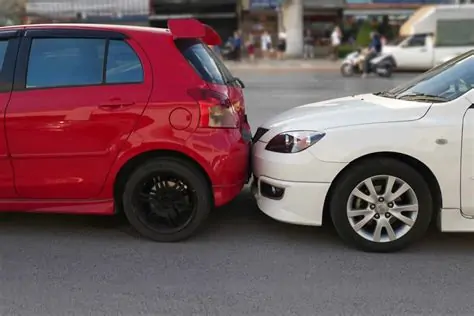
Explore the nuances of brake checking, its legal implications in Michigan, consequences, avoidance strategies, and potential defenses against accusations. Stay informed!When it comes to road safety, one often-overlooked issue is brake checking, a practice that can lead to dangerous situations on the road. Many drivers may find themselves wondering about the legality of this maneuver, especially in states like Michigan. Understanding the implications of brake checking is crucial for ensuring safe driving and avoiding legal complications. In this blog post, we will explore what brake checking entails, delve into Michigan’s specific laws surrounding the practice, and discuss the potential consequences one might face if accused of it. Moreover, we’ll provide practical tips on how to steer clear of brake checking accusations and outline possible defenses against any charges that may arise. Stay tuned to learn more about navigating this often-misunderstood aspect of driving in Michigan.
Understanding Brake Checking
Brake checking is a driving behavior that involves suddenly and unexpectedly applying the brakes to cause a following vehicle to stop or slow down abruptly. This action can be both dangerous and illegal, depending on the context in which it is performed. Although it’s often seen as a way to signal aggressive driving or to instigate a confrontation on the road, there are critical implications that drivers should understand.
What is Brake Checking?
Essentially, brake checking occurs when a driver decelerates sharply in front of another vehicle that is following closely behind. This abrupt action can lead to a variety of situations, including:
- Rear-end collisions
- Loss of control of the vehicle
- Road rage incidents
Why Do Drivers Brake Check?
Drivers may resort to brake checking for several reasons, including:
- To express frustration at tailgating
- To assert dominance on the road
- To provoke a reaction from the other driver
The Risks of Brake Checking
Engaging in brake checking can have severe ramifications. Some Risks include:
- Injury: It can lead to accidents that cause serious injuries to drivers and passengers.
- Legal Consequences: Brake checking could be cited as reckless driving or aggressive driving, which can result in fines or points on your driving record.
- Insurance Implications: If you are involved in an accident due to brake checking, it can affect your insurance premiums and coverage.
All drivers should practice patience and maintain safe distances to avoid any dangerous situations that might arise from vehicle interactions. Understanding the intricacies of brake checking can promote safer driving habits and enhance the overall safety of the roadways.
Laws Regarding Brake Checking in Michigan
Brake checking is a term that refers to the act of suddenly applying the brakes in a vehicle, often to tailgating drivers. This action can lead to dangerous situations on the road and raises questions about its legality, particularly in Michigan. In this section, we will explore the laws surrounding brake checking and its implications for drivers.
In Michigan, there are no specific laws that explicitly define or prohibit brake checking. However, it does fall under broader traffic laws and regulations intended to ensure safe driving practices. The key statutes that pertain to brake checking can be found in the Michigan Vehicle Code, which addresses reckless driving and aggressive driving behaviors.
Relevant Laws
- Reckless Driving: Under Michigan law, reckless driving occurs when a driver operates a vehicle with a willful disregard for the safety of persons or property. Brake checking could be considered reckless if it creates a dangerous situation for other drivers.
- Aggressive Driving: Aggressive driving includes behaviors like tailgating and intentionally causing an accident. If a driver performs a brake check with the intent to provoke or retaliate, they could face aggressive driving charges.
- Traffic Citations: A driver who performs a brake check might receive traffic citations if they lead to an accident or are reported by other drivers. This could result in fines and points on the driver’s license.
Legal Consequences
If a driver is found guilty of brake checking in a manner that violates Michigan’s traffic laws, they may face several consequences:
- Fines and penalties as set forth by the Michigan court system.
- Points added to their driving record, which could affect insurance rates.
- Increased liability if an accident occurs as a result of their actions.
It’s important for drivers in Michigan to understand the potential ramifications of brake checking. While it may not be explicitly illegal, engaging in such behavior can still have serious legal and financial consequences. Always prioritize safe driving practices and maintain a safe distance from other vehicles to avoid any misunderstandings related to brake checking.
Consequences of Brake Checking
Brake checking
How to Avoid Brake Checking Accusations
Brake checking refers to the act of abruptly applying the brakes to warn or intimidate a tailgating driver. While some might see it as a way to protect themselves from a rear-end collision, this action can lead to dangerous situations and potentially serious legal consequences. To help you steer clear of brake checking accusations, consider the following guidelines:
- Maintain a Safe Following Distance: Always keep adequate distance between your vehicle and the one in front of you. This gives you ample time to react without the need to brake suddenly.
- Stay Aware of Surroundings: Focus on the road and be aware of the drivers around you. If someone is tailgating, adjust your speed and lane position rather than slamming on the brakes.
- Use Turn Signals: Clearly indicate when you are changing lanes or making a turn. This helps communicate your intentions to other drivers, reducing the chances of being followed too closely.
- Avoid Engaging Aggressively: If you notice aggressive driving behaviors from others, do not retaliate. Instead, safely change lanes or allow them to pass.
- Know the Law: Familiarize yourself with Michigan’s traffic laws regarding brake checking. Understanding these laws will help you make informed decisions on the road.
By taking these precautions and being a conscientious driver, you can significantly reduce the chances of being accused of brake checking. It’s important to prioritize safety and avoid any actions that could lead to misunderstandings or unnecessary confrontations on the road.
Potential Defenses Against Brake Checking Charges
When facing charges related to brake checking, it’s crucial to understand that there are potential defenses one can present in court. Brake checking, defined as abruptly decelerating your vehicle to intimidate or provoke a tailgating driver, can lead to serious legal implications. However, it is possible to argue against these charges. Below are several key defenses that can be applied:
- Scrutiny of Intent: To prove brake checking, the prosecution must show that the driver had the intention to provoke the driver behind them. If it can be demonstrated that the sudden braking was due to a legitimate reason (e.g., an obstacle in the road or traffic conditions), this could negate the prosecution’s claim.
- Evidence of Aggressive Driving: Sometimes, the driver in the rear may be the aggressor. If there is evidence that the tailgating driver was acting recklessly or aggressively prior to the incident, this can support the argument that they were the instigator, rather than the driver who allegedly brake checked.
- Witness Testimony: Third-party witnesses that can attest to the events leading up to the incident may provide essential insights. If they observed the situation and can confirm that no brake checking occurred, witness testimony can be valuable in defending against the charges.
- Dash Cam Footage: Video evidence can significantly bolster your defense. If your vehicle has a dash cam that recorded the incident, showing that your braking was justified, this can provide a strong counterargument to any allegations of brake checking.
- Driver Visibility and Conditions: Factors such as poor visibility, weather conditions, or road hazards can justify sudden braking. A defense could argue that the driver acted in accordance with safety standards due to these factors.
It’s essential to consult with a legal professional who specializes in traffic law to evaluate the specific circumstances surrounding your case. They can help to navigate the complex judicial system and develop a solid defense strategy against brake checking charges.
Frequently Asked Questions
What is brake checking?
Brake checking is the act of abruptly braking in front of another vehicle to signal annoyance or to warn the driver behind.
Is brake checking specifically illegal in Michigan?
While there is no specific law against brake checking in Michigan, it can lead to charges of reckless driving or aggressive driving, depending on the circumstances.
What could be the consequences of brake checking in Michigan?
Consequences can include traffic citations, points on your driving record, increased insurance premiums, and potential civil liability if an accident occurs.
How can brake checking lead to accidents?
Brake checking can cause the driver behind to lose control or not have enough time to react, leading to rear-end collisions.
What should you do if someone brake checks you?
Maintain a safe following distance, avoid retaliatory actions, and if necessary, report the incident to the authorities.
Are there specific traffic laws related to aggressive driving in Michigan?
Yes, Michigan has laws against aggressive driving, which include actions that interfere with the safe operation of a vehicle and can lead to penalties.
What is the best way to avoid confrontations on the road?
Practicing defensive driving techniques, maintaining safe distances, and staying calm can help avoid confrontations and prevent situations that could lead to brake checking.